Homeowner's Guide to finding trusted local installation professionals
Expert Water Softener Installation: Transform Your Water Quality Today
Professional water softener installation plays a critical role in boosting water purity in homes. Hard water can cause various problems, affecting everything from plumbing to personal care. Professionals guarantee that the installation process is smooth and compliant with local regulations. They also help avoid common mistakes that can arise during setup. Understanding the benefits of this service can lead to major improvements in daily life, prompting further investigation into its advantages and processes.
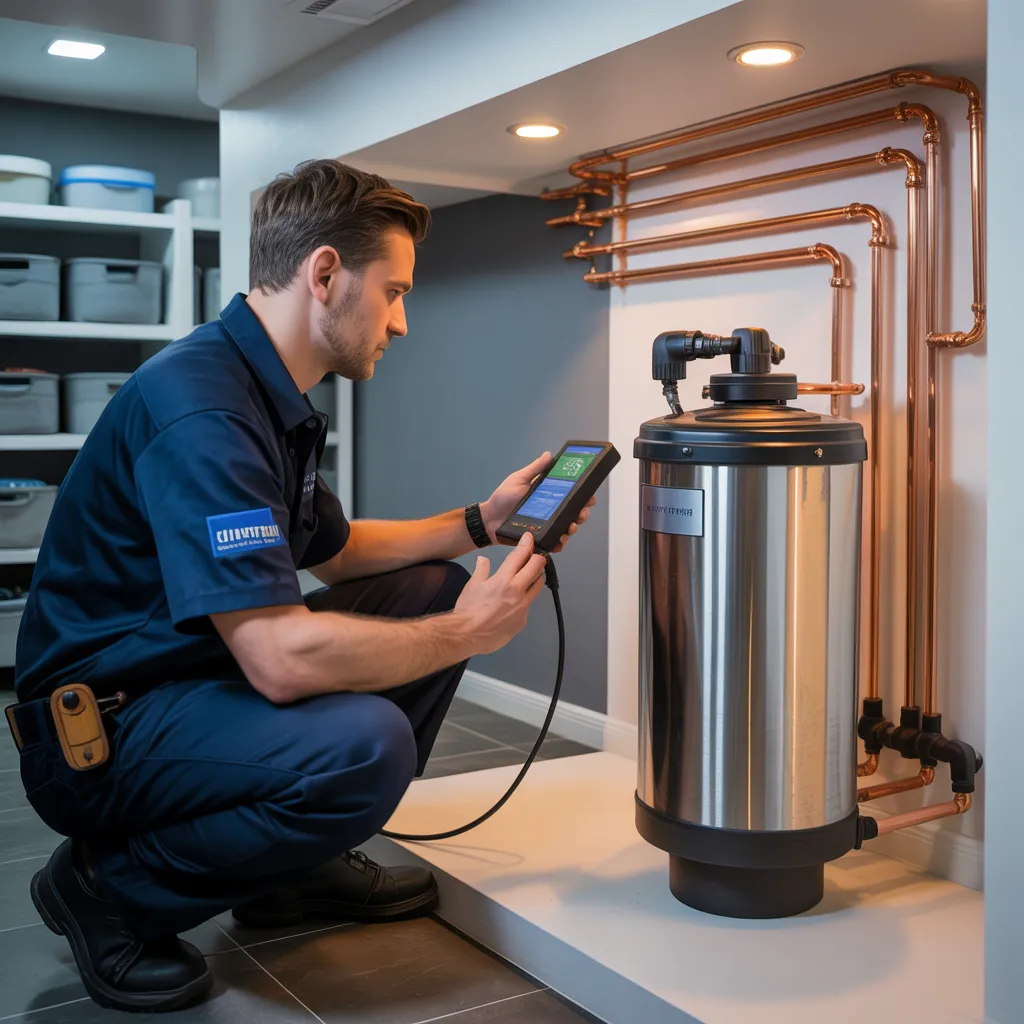
What Is Water Hardness and How Does It Affect You?
Hard water, characterized by elevated mineral level—mainly calcium and magnesium—can significantly affect daily life. Numerous households unconsciously experience its impact, which can manifest in multiple forms. These minerals' presence can cause limescale buildup within pipes and appliances, decreasing their efficiency and life expectancy. Moreover, hard water can pose difficulties in cleaning; soap might not produce effectively, leaving residues on dishes and laundry.
Additionally, hard water can affect the taste of potable water, making it less appealing. In certain situations, it may contribute to higher energy bills due to accelerated deterioration on heating units and other appliances. Grasping how hard water affects homes allows residents to contemplate options that could boost their quality of their water and overall well-being in daily activities.
The Advantages of Water Treatment for Your Residence
Water softening offers substantial benefits for households by improving the durability of appliances and improving cleaning performance. Softened water reduces mineral deposits, which can cause expensive repairs and replacements. Additionally, it allows cleaning products to work more effectively, producing cleaner surfaces and textiles.
Better Appliance Lifespan
Installing a softener unit can greatly extend the lifespan of household appliances. Hard water contains minerals like calcium and magnesium, which cause mineral buildup in appliances such as dishwashers, water heaters, and washing machines. Over time, this buildup can result in reduced effectiveness and eventually cause breakdowns. By softening the water, homeowners can markedly lessen the wear and tear on these crucial devices. Softened water permits appliances to run more efficiently, lowering energy consumption and cutting maintenance costs. Consequently, the investment in a softening device not only increases the life of appliances but also improves their performance. Homeowners can look forward to fewer repairs and replacements, making water softening a practical choice for maintaining household efficiency.
Enhanced Sanitation Performance
A water softener greatly boosts cleaning effectiveness throughout your house. Water with high mineral content has minerals like calcium and magnesium that can diminish the effectiveness of soap, producing dull laundry, streaky dishes, and soap scum buildup. By reducing these minerals, softening systems enhance soap lathering and effectiveness, making cleaning easier and more efficient.
When using softened water, laundry looks fresher and feels softer, while dishes emerge immaculately clean without any residue. In addition, surfaces in kitchens and bathrooms need less frequent upkeep, as mineral deposits are minimized. This not only saves time but also reduces the need for harsh cleaning products. Overall, a water softener significantly improves the quality of cleaning, encouraging a more efficient and enjoyable home maintenance experience.
Why You Should Have Confidence in Professionals for Installation
While some dwellers may contemplate a DIY approach to water softener fitting, trusting professionals guarantees a higher level of competence and efficiency. Professionals possess the technical knowledge and track record necessary to analyze specific home plumbing systems, guaranteeing that the water softener is properly fitted. They are knowledgeable with various models and can advise the optimal solution for individual needs, sidestepping routine obstacles that may surface during fitting.
Furthermore, professionals understand area-specific rules and requirements, ensuring compliance and minimizing the risk of problems down the road. Their experience allows them to troubleshoot potential problems swiftly, providing confidence that the system will operate effectively. Additionally, many skilled technicians offer warranties on their services, contributing another level of security for property owners. In the end, opting for professional installation not only improves the system's performance but also saves energy and time, making it a wise investment in improving water quality.
Tips for Selecting the Ideal Water Softener
Determining the perfect water softener requires a careful assessment of water hardness, which can greatly impact the functionality of the system. Likewise, familiarizing yourself with the selection of types of softeners obtainable and their attributes is essential for making an informed decision. Budget considerations also play an important role in selecting a system that meets both needs and monetary constraints.
Water Hardness Examination
Determining water hardness is a critical step in selecting the suitable water softener. Water hardness is primarily measured in grains per gallon (GPG) or parts per million (PPM) and indicates the level of calcium and magnesium minerals. Homeowners can assess their water hardness using test kits available at hardware stores or by submitting samples to a lab for analysis. Knowing the hardness level helps in identifying the right softener capacity and type needed for effective treatment. Generally, water is categorized as soft (0-3 GPG), moderately hard (4-7 GPG), hard (8-12 GPG), or very hard (over 12 GPG). Accurate evaluation ensures proper softening, improving water quality and extending the lifespan of plumbing and appliances.
Softener Varieties Guide
Determining the ideal water softener involves an understanding of the varied types existing in the market. The most prevalent types include ion exchange, salt-free, and reverse osmosis systems. Ion exchange softeners convert hard minerals with sodium ions, effectively reducing hardness. Salt-free systems, alternatively, treat water without standard salt, making them perfect for those wanting a more eco-conscious option. Reverse osmosis units remove impurities, including hardness minerals, but are often used alongside other systems for complete water treatment. Each type has its benefits and constraints, making it necessary for consumers to assess their particular water quality needs and preferences before making a decision. Understanding these options will help informed choices for ideal water quality.
Budget Factors Clarified
Cost considerations are essential in the selection journey for water softener installation. Homeowners must examine both initial costs and long-term expenses. Affordable models may offer lower upfront prices, but they can produce greater upkeep and mineral costs over time. On the other hand, top-tier units typically provide sophisticated capabilities and greater efficiency, possibly reducing ongoing costs. Moreover, installation fees can fluctuate considerably; many homeowners may opt for DIY installation to save funds, while some prefer professional service for flawless installation. Comprehending the learn the facts total cost of ownership, including fixes and protection plans, is necessary. At the end of the day, matching the choice of water softener with both near-term budget parameters and future money objectives secures a more satisfying investment.
Progressive Step-by-Step Instructions for Water Treatment Device Installation
Installing a water softener can significantly improve the quality of water in a home. The installation process gets underway with choosing a suitable location, typically near the main water supply line. Next, the homeowner should turn off the water supply and drain any remaining water from the pipes. After preparing the area, the water softener is positioned, guaranteeing it is level.
The opening phase requires securing the inlet and outlet pipes to the treatment device. This may need cutting through the installed pipes and fitting it with compatible fittings. Once the unions are locked, the salt container is supplied with salt, and the system is activated. Ultimately, the supply line is switched back on, giving the homeowner to test for drips and assess sound operation. Implementing these actions will produce productive softening system installation, creating the foundation for enhanced water quality within the home.
Keeping Your Water Softener in Optimal Shape for Lasting Benefits
guaranteeing a water softener operates efficiently and endures long-term improves the quality of water throughout your home. Routine care requires multiple critical responsibilities, beginning with monitoring salt concentrations in the brine tank. It is important to introduce salt consistently to achieve proper regeneration cycles. Furthermore, cleaning the resin bed annually assists with removing contaminants that may accumulate throughout time, maintaining the unit's efficiency.
Inspecting the system for drips and verifying correct water flow is also crucial. A comprehensive check of the bypass valve, inlet, and outlet connections can avoid potential problems. Moreover, periodic testing of water hardness confirms that the softener is working properly.
For individuals using a dual-tank system, rotating between tanks during recharging can improve efficiency. By maintaining these maintenance practices, homeowners can increase the service life of their water softeners, guaranteeing steady performance and superior water standards for many years to follow.
Frequently Sought Answers Questions
What is the typical duration for Water Softener Installation?
A water softener installation typically takes between two to four hours, depending on the intricacy of the system and the plumbing involved. Factors such as location and existing setup can impact the overall duration.
How Can You Identify the Signals of a Non-Functioning Water Softener?
A faulty water softener displays signs such as salty taste in water, less lathering of soap, scale buildup on fixtures, ongoing regeneration cycles, and an increase in water hardness levels. These clues demonstrate underlying issues needing attention.
Can a person capable of putting in a Water Softener on my own?
Yes, a water softener may be self-installed, provided the individual has basic plumbing skills and grasps the manufacturer's instructions. However, professional installation may guarantee peak performance and adherence to local codes.
What Are the Maintenance Costs of a Water Softener?
Maintenance costs for a water softener generally cost between $50 to $150 per year. This includes salt replacement, occasional repairs, and professional maintenance, ensuring peak performance and longevity of the system for effective water treatment.
Can Water Treatment Systems Influence Water Taste?
Water softeners typically do not markedly impact the taste of water. However, some people may observe a difference due to the extraction of minerals like calcium and magnesium, resulting in a softer, less mineral-rich flavor profile.